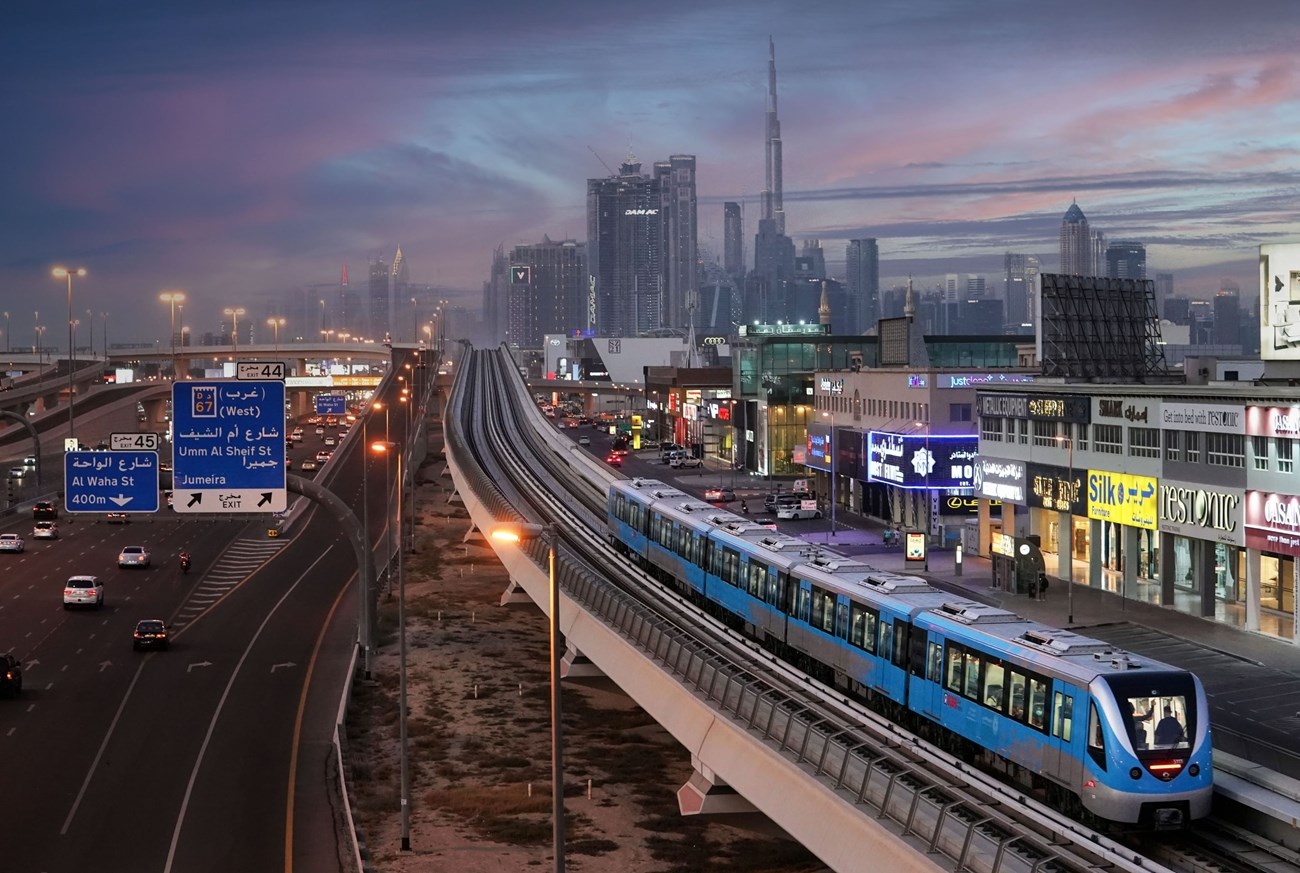
Dubai Metro Green Line is considered one of the most culturally rich and historically important lines of the city in public transport. Although the Red Line tends to draw attention due to its connectivity with the airport and other business districts, the Green Line silently serves the center of the old Dubai that connects heritage districts, government areas, residential zones, and some of the largest healthcare and education centers. This guide takes a closer look at the Green Line, its stations, its route, attractions along the way, connectivity, and why it is a must-have for residents, commuters, and visitors alike.
Dubai Metro Green Line Overview
The Green Line is around 22.5 kilometers, and it passes through Etisalat in Al Qusais to Creek in Al Jaddaf. It consists of 20 stations, the majority of which are underground, particularly in the Deira and Bur Dubai regions, where the city population is dense. Opened in 2011, the line was aimed at alleviating the congestion in older sections of the city and offering a cheap and reliable link to locations that previously required the use of a bus or a personal mode of transportation. The Green Line provides the areas that are characterized by traditional markets (souks), governmental buildings, hospitals, schools, and long-standing residential areas, contrary to the Red Line, which is focused on the modern commercial areas. This is especially handy when it comes to commuters on a daily basis and visitors visiting Dubai for the first time, wanting to explore something more than skyscrapers.
Direction and Route Explanation
Green Line: The Green Line goes very far east to west:
Eastern Terminus: Etisalat (Al Qusais region)
Western Terminus: Creek (Al Jaddaf)
Trains go in both directions all day long, with the highest frequency of trains generally in weekday mornings and evenings. The line passes through the Red Line at Union and BurJuman that allows easy interconnection across the metro network.
Dubai Metro Green Line Stations (East to West)
To follow, there is a breakdown of the stations by station, with the most popular features of the stops and with whom they suit best.
Etisalat
The eastern terminal of the Green Line is Etisalat. It covers the Al Qusais residential and commercial neighborhood and is frequented by people who are commuting daily. The station is very convenient to the local shopping malls, offices, and apartment complexes. It is a convenient place to start with a great number of riders due to the large parking areas and bus links.
Al Qusais
This station serves a residential area with a high population density. Families, office workers, and students use it extensively. The use of nearby schools, clinics, and local markets also helps to create constant traffic of passengers during the day.
Airport Free Zone
The station is found in the vicinity of the Dubai Airport Free Zone Authority (DAFZA), where professionals of the various fields connected with logistics, trade, and aviation are employed. It is also easily linked to various bus lines to the neighbouring business communities.
Al Nahda
Al Nahda station is one of the most populated residential areas in Dubai. It is also very busy, especially during peak times, because of the closely situated apartment towers, shopping malls, and schools. The station is also adjacent to the border between Dubai and Sharjah, and thus it would be beneficial to commuters between the emirates.
Stadium
This station is called after the adjacent Al Maktoum Stadium, and it serves residential as well as event traffic. Passengers are also seen to rise significantly on match days or during sports events.
Al Qiyadah
The Al Qiyadah station is one that is renowned for being close to the Dubai Police General Headquarters. It caters to those who are government workers, visitors who come in to get official appointments, and residents of the neighboring areas.
Abu Hail
This station is in an area that has a blend of residential buildings, local businesses, and schools. It is less tourist-oriented but essential to the mobility of the day-to-day city.
Abu Baker Al Siddique
This station is situated in Deira and provides services to the traditional shopping areas and existing residential neighborhoods. It is an easy point of launching into local markets and common commercial streets.
Salah Al Din
One of the busiest commercial roads in Deira has Salah Al Din station close to it. The area is filled with electronics stores, clothes shops, and restaurants, so that both shoppers and employees would consider this station to be a good option.
Union (Interchange Station)
One of the most significant stations in the whole system ofthe Dubai Metro is Union. It enables passengers to switch between the green line and the Red Line without leaving the paid zone. Union is at the center of large shopping streets and business centers with extremely high volumes of passengers daily.
Baniyas Square
The station accommodates the ancient core of Deira. It is near gold, spice, and textiles souks, and traditional trading offices. Baniyas Square is a major starting point that is used by tourists when touring old Dubai.
Palm Deira
Palm Deira Station is a station that links to waterfront developments and old commercial zones. It promotes residential travel as well as access to creek-side neighbourhoods.
Al Ras
Al Ras is among the most culturally important stations on the green line. It is close to the popular Gold Souk and Spice Souk, which have a significant number of visitors who want to have a traditional shopping experience.
Al Ghubaiba
Al Ghubaiba station is found in Bur Dubai, and is next to Al Ghubaiba Bus Station, a hub of intercity and inter-emirate buses. It is also close to heritage buildings and the Dubai Creek.
Al Fahidi
Al Fahidi station gives entry to Al Fahidi Historical Neighborhood (Bastakiya), Dubai Museum, and wind-tower houses. Tourists visiting the Emirati region especially like this station due to their interest in the history and culture of the Emirates.
BurJuman (Exchange Station)
The other key intersection between the Green and Red Lines is BurJuman. It is directly related to the BurJuman Mall and is surrounded by hotels, offices, and residential towers. The station is totally underground and is well prepared to accommodate high traffic of passengers.
Oud Metha
Oud Metha station serves an area that has hospitals, schools, and consulates. This stop is frequently used by medical professionals, students, and patients.
Dubai Healthcare City
This station, as its name implies, serves the Dubai Healthcare City, which is a large medical and research centre. It also has easy access to hospitals, clinics, and academic institutions.
Al Jaddaf
Al Jaddaf station serves an emerging residential and hotel area around the Dubai Creek. It is near cultural attractions and the waterfront.
Creek
The western end of the Green Line is the Creek. It has picturesque perspectives of Dubai Creek and links to the nearby parks, hotels, and residential areas. The station is less busy than the key interchanges, but very strategic to the potential development of the city.
Connectivity and Interchanges
The Green Line will be connected to the broader network of transport services in RTA:
Exchange Stations: Union and BurJuman.
Bus Connections: This service exists at the majority of stations.
Taxi Access: There are specific taxi ranks at major destinations.
Pedestrian Access: Walkways and footbridges in high-traffic areas.
This connectivity makes sure that even other areas that are not directly along the metro line are reachable.
Passenger Experience and Facilities
All Green Line stations are made in such a way that they are commuter-friendly and secure. Common facilities include:
-
Elevators and escalators.
-
Obvious dual language signs (Arabic and English).
-
No card ticketing and top-up machines.
-
Trains and platforms that are air-conditioned.
-
People of determination accessibility.
The stations in older areas are predominantly underground stations, which contribute to the preservation of historic streetscape without interfering with the transportation flow.
Why the Green Line Matters?
Dubai Metro Green Line is extremely essential in balancing the transport system in the city. It favors economic activity on the conventional markets, offers low-cost mobility to the locals, as well as promoting long-term traveling in the crowded regions. To the tourists, it is a cheaper and direct channel of exploring the cultural heritage of Dubai.
Final Thoughts
The Dubai Metro Green Line stations are providing unparalleled convenience whether commuting to work daily, visiting one of the heritage areas, or working between government and healthcare centers. The Green Line is an essential element of a connection between the past and present Dubai by connecting old Dubai with modern infrastructure, and is efficient, accessible, and embedded in the everyday life of urban life.
FAQs

Emila Hales
My name is Emila Hales. I've been living in the UAE for the past five years, and I absolutely love traveling. Writing about my travel experiences is something I enjoy, and I'm excited to share my adventures with others who are passionate about exploring new places.
Learn More