Most individuals are not buying a car solely because it has a nice design or belongs to a particular brand; they are purchasing a car that will be practical, comfortable, economical, and convenient to use in everyday life. Probably one of the most important and frequent choices made by buyers is the one that involves hatchback cars and sedan cars. The two forms of bodies are dominating the automotive markets worldwide, including the UAE, GCC countries, South Asia, and other urban-based economies, but they are used to meet different ownership requirements.
This is an elaborate comparison of hatchback vs sedan, based on pure ownership attitude. This article does not dwell on the hype of performance or the luxury positioning but rather assesses the performance of each of them at a more realistic level.
Understanding Hatchback and Sedan Cars in Simple Terms
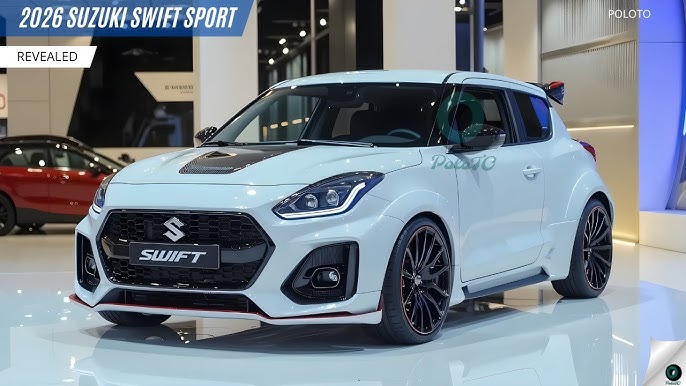
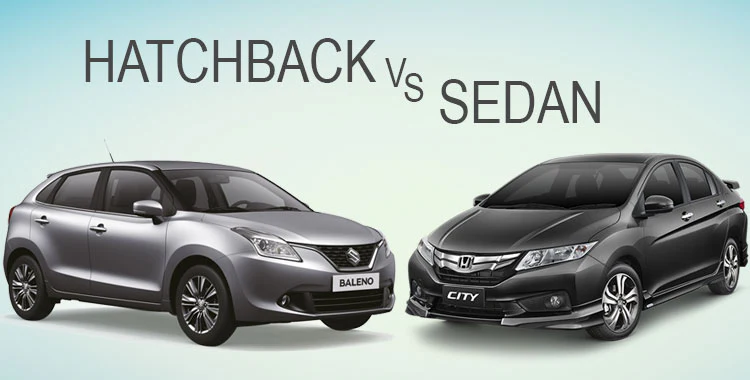
The hatchback vehicle is quite small and has a door that opens up at the back, with the rear door opening in the form of a boot and the passenger section. This design will flexibly enable the use of cargo, particularly when the rear seats are folded. Hatchbacks are usually preferred because of their efficiency, ease of driving, and low cost.
A sedan vehicle, however, is a conventional car with three boxes which part the engine, cabin, and trunk. Sedans tend to be longer, more comfortable in the back seat, and more pleasurable to drive, especially on highways.
It is vital to understand such structural differences as they all three have a direct influence on the cost of ownership, inspiring comfort, and daily utility.
Why Practical Ownership Matters More Than Design?
Practical ownership refers to the ease with which a car will fit into your day to day lives. This will involve fuel consumption, service costs, parking convenience, interior room, passenger comfort, longevity, and resale price. The appearance of a car that is attractive may soon turn into a liability when it is expensive and inconvenient to maintain.
The overall hatchback/sedan car comparison is a viable approach to enable consumers to make more intelligent and sustainable buying choices, particularly in places where traffic congestion, fuel cost, and maintenance are major factors.
Driving and Maneuverability in a City
Vehicle size is a significant contributor in urban settings where the roads are already congested, with parking spaces being scarce. Hatchback vehicles are not very long or heavy and are therefore easier to maneuver through the traffic, narrow streets, and tight parking places. This is very useful, especially in busy cities where one has to drive all day with numerous stops, turns, and parking complications.
The sedans, though manageable, occupy more space to turn and park since they have a longer wheelbase. This may be a burden to those drivers who basically use their vehicle to commute in the city. Nevertheless, sedans are more likely to be stable on broader roads and expressways.
Verdict: In the case of practical ownership of the city, the hatchbacks will be more advantageous.
Daily Running Costs and Fuel Efficiency

One of the most crucial ownership conditions is fuel efficiency, particularly for those who commute daily. Hatchbacks are typically fitted with smaller engines and lighter body and this reduces the amount of fuel they consume in stop-and-go traffic situations. In the long run, this will lead to a visible cost reduction in fuel costs.
The sedans can be powered with bigger engines and weigh more, hence this can slightly increase the fuel consumption, especially on urban roads. Though modern sedans have been more efficient, they are generally not able to match the fuel economy of the hatchbacks when used in urban areas.
Verdict: Hatchbacks are superior in saving fuel and the overall day-to-day expenses.
Maintenance, Service, and Repair Expenses
Maintenance is a commitment that cannot be fulfilled within a short time that most purchasers underestimate. Hatchbacks are usually cheaper to maintain with smaller engines, fewer mechanical complications, and lower prices of the spare parts. Usual services like an oil change, brakes, and tire replacement are normally less costly.
Sedans, although being reliable, are also expensive to maintain due to the use of larger parts, tires, and higher insurance policies. This difference can be associated with several years of ownership.
Verdict: Hatchbacks win in cost when it comes to long-term ownership.
Comfort and Passenger Space (Interior)
Sedans have started to shine in terms of interior comfort. The sedans typically have more legroom and headroom, particularly when the rear occupants have longer bodies. This renders them more suitable for families or individuals who have many passengers and who travel a lot.
Despite being comfortable at the front, hatchbacks can be a bit claustrophobic in the back seat on longer trips. Nevertheless, in the case of short excursions to cities, as well as small families, this drawback does not always spell doom.
Verdict: Sedan is more comfortable for the passengers.
Boot Space and Practical Cargo Usage
Sedans seem to get more percentage of boot space at first sight, yet reality is richer than that. Sedan trunks are covered and attached, making them perfect for luggage but less accommodating to big or tall products.
Hatchbacks provide greater flexibility, but they have lower volume. Rear seats can be folded to enable the owners to transport more bulky products like furniture, strollers, or sports equipment. The hatch opening is also wide, and thus loading and unloading are easy.
Verdict: Hatchbacks are better when mixed cargo is required.
Ride Quality and Driving Experience
The two types of bodies have vast differences in driving experience. Hatchbacks are more responsive and lighter in weight, thus driving well in traffic and in cities. Their small size gives them confidence to novice or inexperienced drivers.
In contrast, sedans provide a more planted and smoother ride, especially when moving at a faster pace. Its longer wheelbase adds stability when on highways, lowers the road noise, and improves the overall ride comfort.
Verdict: Hatchbacks are needed by urban drivers; sedans by highway drivers.
Safety and Road Stability
Hatchbacks and sedans are now all provided with the current safety systems, including anti-lock braking systems, airbags, and electronic stability control. Nevertheless, sedans tend to be more stable in high-speed and on long highway trips because they are larger and heavier.
Hatchbacks are safe enough to use on the roads and in day-to-day commuting life, whereas their light nature might not give one the same confidence on the long expressway. Sedans have become an added security measure for families and highway-oriented drivers.
Verdict: Sedans are more stable during long distances.
Resale Value and Market Demand
Hatchback Resale Value
-
Good demand among inexperienced customers.
-
Easy resale in urban markets
-
Stable depreciation curve
-
They move fast in economically conscious areas.
Sedan Resale Value
-
Retain value when the brand is good.
-
Appeal to family buyers
-
Pay back a little more because of the high initial cost.
Verdict: Hatchbacks have a higher resale in general.
User-Type Ownership Suitability
Hatchbacks Are Ideal For:
-
First-time car buyers
-
Young professionals and students.
-
City commuters
-
Budget-conscious owners
-
Street families have limited parking.
Sedans Are Ideal For:
-
Families of regular flyers.
-
Long-distance travelers
-
Careers looking to be comfortable.
-
Highway-focused drivers
Comparison of Cost between Hatchback and Sedan
|
Ownership Factor |
Hatchback |
Sedan |
|
Purchase Price |
Lower |
Higher |
|
Fuel Efficiency |
Better |
Moderate |
|
Maintenance Cost |
Lower |
Higher |
|
City Driving |
Excellent |
Average |
|
Passenger Comfort |
Average |
Excellent |
|
Cargo Flexibility |
High |
Moderate |
|
Resale Speed |
Faster |
Moderate |
Conclusion
When comparing Hatchback cars to sedan cars when it comes to viable ownership, the response is not the same across the board, and this depends solely on the usage rates and priorities one has.
Hatchbacks are good in fuel efficiency, cost of maintenance, convenience in driving, and convenience in the city. They are affordable, multifunctional, and suitable for daily life in the city.
The sedans, on the other hand, are more comfortable, ride better, have better stability on the highway, and have more space in the back seat. They suit the family and long-distance drivers who do not want a compact car but want a comfortable ride.
Making the correct body type is making sure that you are purchasing what you really need and not just the one that looks nice in the showroom.
FAQs
Emila Hales
My name is Emila Hales. I've been living in the UAE for the past five years, and I absolutely love traveling. Writing about my travel experiences is something I enjoy, and I'm excited to share my adventures with others who are passionate about exploring new places.
Learn More