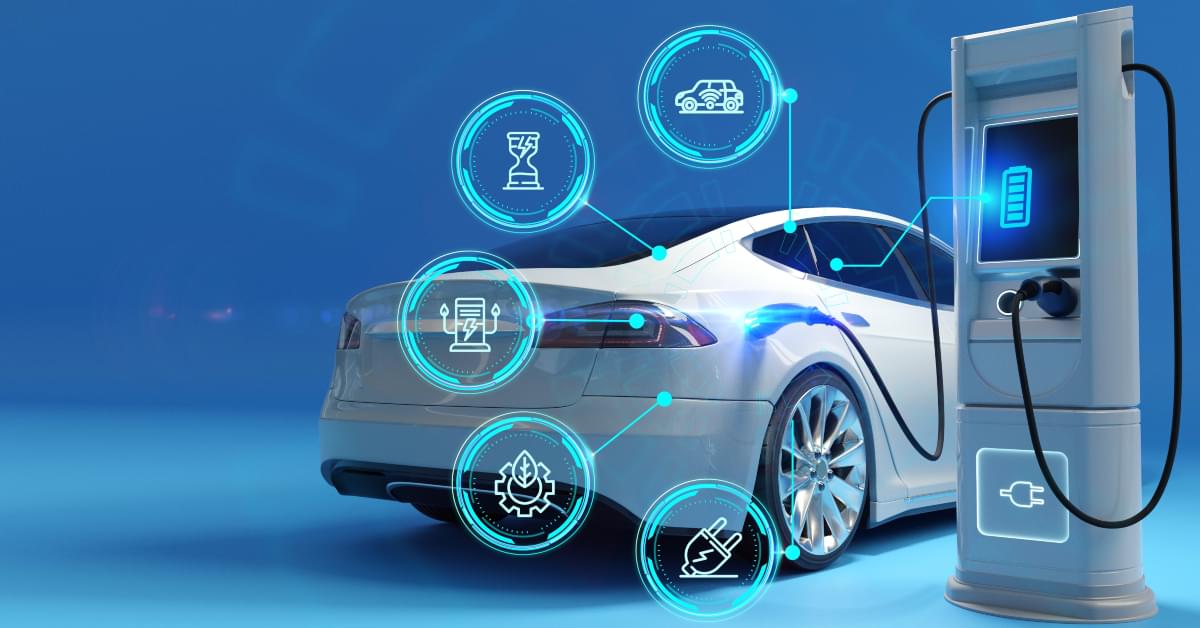
Dubai has been the city that has strategically positioned itself as one of the most progressive cities in the world with respect to sustainability and intelligent mobility. As the UAE government is actively supporting the development of green transport and the growth of charging infrastructure, the use of electric vehicles (EV) rentals is gaining popularity among the residents, tourists, and business travelers. Tesla, BMW, Audi, and Mercedes-Benz have now had the luxury electric models which are highly prevalent in the rental market in Dubai. Nevertheless, there is one crucial question that bothers the tenants:
Do you want to charge an EV rental in Dubai and the UAE?
The answer is: Not always but you have to read the rental agreement with a lot of care.
It is a comprehensive 2026 guide on the policy of EV rental returns in Dubai, charging, possible fees, and the opportunity to avoid unnecessary fines.
Why are Rental Policies of EV in Dubai not Similar?
Electric vehicles do not have the same policy as petrol or diesel vehicles since they have battery management systems and charging infrastructure to consider leaving the battery full. The EV rental policies in Dubai and the UAE, in the general, are meant to reflect:
-
Availability of charges throughout the city.
-
Standards of battery health preservation.
-
Turnover of rental at airports.
-
Premium vehicle value.
Due to the presence of upscale EV rentals in Dubai, including Tesla Model 3, Tesla Model Y, BMW iX, and Audi e-tron, the policies established by rental corporations are planned to ensure that the efficiency of the fleet and battery life are not compromised.
The Most Common EV Return Policies in Dubai (2026)

Rental companies in Dubai and other emirates in the UAE tend to use one of the following terms of returns:
Same Battery Level Policy
In Dubai, numerous rental providers make use of a return at the same percentage regulation. When you obtain the car with a 80% battery, you should revert with a 80% battery. A difference of 5-10 percent may be tolerated. This policy can be deemed as being just since it resembles the conventional fuel system that does not compel customers to charge the vehicle to full capacity.
Minimum Charge Threshold Policy
Other companies force renters to give the EV with more than 70% battery. This is especially typical of the airport rentals or the luxury bookings which are short term. In case of the delivery of a vehicle that is less than the necessary amount, a recharging service fee and administration costs can be charged by the company.
Prepaid Charging Option
A number of the Dubai-based rental companies have a prepaid charging plan. You make an initial payment and you can give back the vehicle any time at any battery stage. This is common among tourists that fly out of the Dubai international airport and do not have time to recharge before flying. Prepaid charging is usually more costly than self-charging in the public stations although convenient.
Charging Infrastructures in Dubai and the UAE
A good infrastructure of charging is one of the factors that make EV rentals viable in Dubai. Dubai Electricity and Water Authority (DEWA) has erected a lot of the public charging stations in residential, commercial, and tourist areas. The number of charging stations is widespread in:
-
Downtown Dubai
-
Dubai Marina
-
Business Bay
-
Palm Jumeirah
-
Mall parking facilities
-
Major hotels
Fast DC chargers that restore most EVs to 80% in 30-45 minutes, based on battery capacity, are also available in Dubai. The EV infrastructure in Dubai is relatively easy to recharge because the city has one of the most modern, well-maintained, and user-friendly ones compared to many other cities across the globe.
What Happens if You Return an EV with a low battery in Dubai?
Rental firms may inflict various charges in case you give back your EV in a considerably lower condition than the necessary level of the battery. To start with, they do the mathematics of determining the amount of electricity needed to restore the battery to the agreed level. Thereafter, they can include service handling fees. During peak times, particularly during tourist seasons, extra fast-charging premiums can be charged since the company will have to get the vehicle ready faster to meet the next customer. As an illustration, when a Tesla Model S with a battery of 75 kWh is returned 50 percent less than needed, the charging shortage would cost approximately AED 60-120 based on electricity charges and other service charges. The total may be inflated with additional administrative charges. The fact that the vehicle is returned below 20% of the battery might also be an issue in the operations, where deep discharge is dependent on battery performance.
Airport EV Returns in Dubai
The process of repatriation of an EV in the Dubai International Airport needs additional planning. Airports are of high turnover rental areas, and cars are usually back to back booked. Although there are charging stations within the vicinity of the airport locations, they may get congested during the peak seasons. When you are flying early or late at night you must plan your charging at least an hour prior to drop-off to prevent delays. Airport reception staff usually checks the battery life when handing the battery. It can be a good idea to take a picture of the dashboard that will indicate the battery percentage at drop-off and prevent future conflicts.
How Long Does it Take to Recharge before Return?
The charging times vary significantly in the conditions of the climate and infrastructure in the City of Dubai and are determined by the type of the charger and the model of the vehicle. It can require four to six hours to recharge a large battery using a Level 2 public charger. Nevertheless, DC fast chargers that can be found in high-end places can replenish most EVs between 20 and 80 percent in 30 to 45 minutes. High-speed charging is supported by an assortment of luxury models, including Tesla Model X and Mercedes-Benz EQS, which means that top-ups made at the last moment are possible. Nevertheless, it is highly advisable to be ahead in planning.
Do You Need to Charge to 100%?
In Dubai, the majority of the renting companies do not demand a 100 percent payment unless it is mentioned in the agreement. It is not optimal to charge the lithium-ion batteries to 100 percent often with a long battery lifespan. This is the reason why most companies like returns of 70 to 90. Always read your rental agreement to make sure that you are paying the required percentage.
EV vs Petrol Rental Return Comparison in Dubai
In the case of petrol cars, you can fuel within five minutes in any station along the Sheikh Zayed road. EV charging is cleaner and quiet, however, it takes more time. The EV infrastructure in Dubai renders electric rentals more sensible. Nevertheless, charging can be scheduled and made aware of battery percentage unlike petrol. This is the reason why it is necessary to know EV return policy prior to booking.
Expert Tips for EV Renters in Dubai
To prevent unnecessary expenditures and still have an efficient time in the UAE:
-
Don't plan to charge during the last hour but a day before you come back. The availability of the charging stations and traffic in Dubai may fluctuate.
-
This is always important to verify the required percent of the return battery at the pick up time.
-
In order to find the closest available fast charger, use DEWA or manufacturer apps.
-
Do not allow the discharge of the battery to go below 25% when renting.
-
Retain electronic invoices or billing appointment confirmations.
These measures can avoid wrongful interpretation and unwanted deductions to your security deposit.
Conclusion
Unless your contract also says so, you will not necessarily have to give a fully charged electric vehicle back in Dubai in 2026, but you will not be able to disrespect the agreed battery level. The city of Dubai has high-quality charging infrastructure, which renders the recharging process relatively easy in comparison with several other cities across the globe. Nevertheless, it is crucial that it is planned, particularly when it comes to airport returns or even tight schedules. It is not only that the responsible disposal of your EV saves you extra payments, but also captures the professionalism of renting in one of the most prestigious car markets in the world. The EV rentals will be more widespread, as the UAE keeps advancing with green mobility programs. Knowledge on return policies nowadays guarantees a hassle free tomorrow.
FAQs

Emila Hales
My name is Emila Hales. I've been living in the UAE for the past five years, and I absolutely love traveling. Writing about my travel experiences is something I enjoy, and I'm excited to share my adventures with others who are passionate about exploring new places.
Learn More