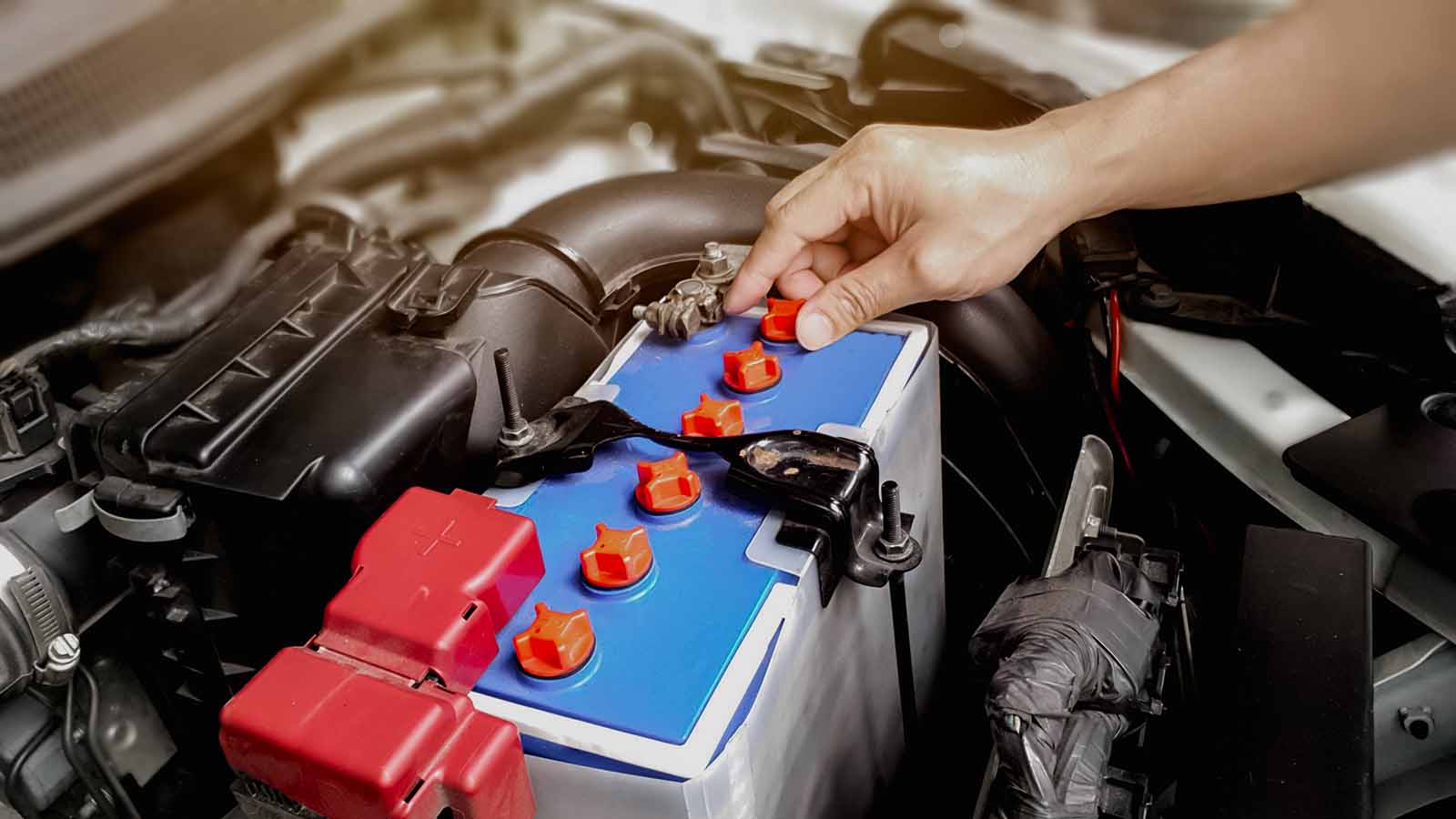
Your car battery is the heartbeat of your vehicle. Without it, nothing works no start, no lights, no power. Yet most drivers ignore it until they're stranded in a parking lot at 8 AM. In 2026, a car battery failure remains one of the top three reasons drivers call roadside assistance worldwide.
Whether you drive a Toyota Corolla, a BMW 5 Series, a Kia Sportage, or a hybrid SUV every vehicle depends on a reliable, fully charged battery to function. This complete car battery guide answers every question you have: how long it lasts, what kills it early, the warning signs you should never ignore, how to jump start it when it fails, and exactly what it costs to replace it today.
How Long Does a Car Battery Last?
A standard car battery lasts 3 to 5 years under normal driving conditions. However, several factors can shorten or extend that lifespan significantly.
Average Car Battery Lifespan by Type:
| Battery Type | Average Lifespan |
|---|---|
| Standard Lead-Acid | 3–4 years |
| AGM (Absorbent Glass Mat) | 4–6 years |
| EFB (Enhanced Flooded Battery) | 4–5 years |
| Lithium-Ion (EV/Hybrid) | 8–15 years |
| Gel Cell Battery | 5–7 years |
What Affects Car Battery Life?
1. Climate and Temperature Extreme heat is the number one killer of car batteries. Heat above 35°C (95°F) accelerates internal corrosion and evaporates battery fluid. Cold weather below 0°C (32°F) reduces battery power output by up to 50%, making it harder to start your engine.
If you live in a hot climate like the Middle East, South Asia, or southern USA expect your battery to last closer to 2–3 years rather than 5.
2. Driving Habits Short trips under 15 minutes don't give the alternator enough time to fully recharge your battery. Drivers who commute short distances daily are far more likely to experience premature battery failure than highway drivers.
3. Vehicle Electronics Load Modern cars are loaded with electronics GPS, dashcam, USB chargers, heated seats, advanced driver assistance systems. The more electronics drawing power, the harder your battery works, and the shorter its life.
4. Battery Quality and Brand Premium battery brands Optima, Bosch, Exide, Odyssey, DieHard are engineered for longer cycles and better vibration resistance. Budget batteries may save you money upfront but cost more over time through early replacement.
5. Maintenance Corroded terminals, loose clamps, and a failing alternator all shorten battery life. A battery that isn't being properly charged by the alternator will drain rapidly even if it's brand new.
When Should You Replace Your Car Battery?
Replace your car battery if:
- It is 3 years or older and showing any symptoms
- It fails a load test at a service centre
- The engine cranks slowly on a warm day
- Your battery warning light turns on
Pro Tip: Most auto parts stores (AutoZone, Halfords, ACDelco service centres) will test your battery for free. Do this every year after the battery turns 2 years old.
What Drains a Car Battery?
Understanding what drains your car battery helps you prevent being stranded. A battery can be fully drained by both electrical faults and simple human error.
Top Causes of a Drained Car Battery
1. Leaving Lights On The most common cause. Headlights, interior dome lights, or trunk lights left on overnight can fully drain a battery in 4–8 hours. Many modern vehicles now have automatic shutoff, but older models do not.
2. Parasitic Draw (Phantom Drain) Even when your car is off, certain systems draw power continuously the clock, alarm system, ECU memory, and keyless entry receiver. This is normal. Abnormal parasitic draw happens when a relay sticks, a module fails to sleep, or an aftermarket accessory is wired incorrectly. Parasitic draw above 50 milliamps is considered a fault.
3. A Failing Alternator The alternator charges your battery while the engine runs. If the alternator's diodes fail or the voltage regulator malfunctions, the battery will not charge while driving. You may drive normally for a day or two before your battery goes completely flat.
4. Extreme Cold Cold temperatures reduce the chemical reaction inside your battery, lowering available power. A battery at 50% health in warm weather may behave like a dead battery at -10°C (14°F).
5. Old or Weak Battery An ageing battery loses its ability to hold a charge. It may read 12.6V on a multimeter but collapse to 9V under load (when starting). This is called a "dead cell" condition.
6. Frequent Short Trips Every time you start your car, it takes a significant burst of power from the battery. The alternator then recharges it but only if you drive long enough. Driving 5 minutes to the corner shop repeatedly will gradually drain your battery over days and weeks.
7. Faulty Charging System A broken serpentine belt, worn alternator brushes, or a blown fuse in the charging circuit can all prevent your battery from being replenished.
8. Aftermarket Electronics Poorly installed dashcams, amplifiers, subwoofers, or trackers can draw power continuously even with the ignition off killing your battery overnight.
How to Check If Your Car Battery Is Being Drained
Use a multimeter set to DC voltage. With the car off and all doors closed (so the interior light is off), connect the red probe to the positive terminal and black to negative. A reading of 12.4V–12.7V is healthy. Below 12.0V means your battery is discharged. Below 11.8V means it may have a dead cell and needs replacement.
Signs of a Dying Car Battery
Recognising the early warning signs of a failing car battery can save you from being stranded. Most batteries show symptoms weeks or even months before they completely fail.
7 Warning Signs Your Car Battery Is Dying
1. Slow Engine Crank This is the most obvious sign. When you turn the key or press the start button and the engine cranks slowly — making a laboured "rur-rur-rur" sound instead of a sharp "vroom" your battery is struggling to deliver enough cranking amps. Do not ignore this. It will get worse.
2. Battery Warning Light on Dashboard The battery icon or "ALT" warning light illuminating on your dashboard indicates a charging system fault. This could be a dying battery, a failing alternator, or a broken serpentine belt. Have it inspected immediately.
3. Swollen or Bloated Battery Case A battery case that looks swollen, puffed up, or misshapen indicates internal damage — usually from excessive heat. A swollen battery is a safety risk and must be replaced immediately. Do not attempt to recharge a swollen battery.
4. Rotten Egg Smell A sulphur or "rotten egg" smell around the battery indicates the battery is venting hydrogen sulphide gas. This is caused by overcharging or internal cell damage. It is a fire risk — have your vehicle inspected right away.
5. Corroded Battery Terminals White, blue, or greenish crusty buildup around your battery terminals is corrosion. Mild corrosion is normal and can be cleaned. Heavy corrosion restricts current flow and accelerates battery wear. It may also indicate the battery is leaking acid.
6. Electrical Issues and Flickering Lights Dimming headlights, flickering interior lights, slow power windows, and electronics that reset or behave erratically are all signs of insufficient battery power. If your radio presets keep resetting, your battery may be dropping voltage while the car is parked.
7. Frequent Jump Starts Needed If you've needed to jump start your car more than once in a short period, your battery is failing. A healthy battery should never need a jump start except in extraordinary circumstances (e.g., lights left on all night).
How to Jump Start a Car
Jump starting a car is a skill every driver should know. Done correctly, it is safe and takes less than 10 minutes. Done incorrectly, it can damage your vehicle's electronics or cause injury.
What You Need to Jump Start a Car
- Jumper cables (at least 10-gauge, 12–20 feet long)
- A second vehicle with a charged battery, OR a portable jump starter pack
- Safety gloves (recommended)
Step-by-Step: How to Jump Start a Car
Step 1: Position the Vehicles Park the working vehicle next to the dead car so the batteries are close but the vehicles are NOT touching. Turn off both vehicles.
Step 2: Connect the Red (Positive) Cable Clamp one end of the RED cable to the POSITIVE (+) terminal of the DEAD battery. Clamp the other end of the RED cable to the POSITIVE (+) terminal of the GOOD battery.
Step 3: Connect the Black (Negative) Cable Clamp one end of the BLACK cable to the NEGATIVE (−) terminal of the GOOD battery. Clamp the other end of the BLACK cable to an UNPAINTED METAL SURFACE on the dead car's engine block — NOT the negative terminal of the dead battery. This reduces spark risk near the battery.
Step 4: Start the Working Vehicle Start the car with the good battery and let it run for 2–3 minutes. This allows some charge to transfer to the dead battery.
Step 5: Start the Dead Car Try to start the car with the dead battery. If it starts, great. If not, wait another 2–3 minutes and try again. If it still won't start after 3 attempts, the battery may be too far gone to jump start.
Step 6: Remove the Cables in Reverse Order Once the dead car is running, remove cables in REVERSE order:
- Black cable from the engine block
- Black cable from the good battery
- Red cable from the good battery
- Red cable from the previously dead battery
Step 7: Keep the Engine Running Drive the jump-started car for at least 15–30 minutes (ideally on the motorway) to allow the alternator to recharge the battery. Do not turn the engine off for short errands immediately after a jump start.
Jump Start Safety Warnings
- Never connect cables to a frozen, cracked, or leaking battery — it can explode
- Never let the clamps touch each other while connected to a battery
- Modern vehicles with start-stop systems or AGM batteries may require a smart charger instead of a jump start — check your owner's manual
- If your car has a jump start terminal under the bonnet (hood) rather than a traditional battery, use that terminal
Alternative: Portable Jump Starter Pack
A portable lithium jump starter pack (NOCO, HULKMAN, Tacklife brands) eliminates the need for a second vehicle. These compact devices can jump start most petrol engines up to 4L and cost between $50–$150. Every driver should keep one in their boot (trunk).
How Much Does a Car Battery Cost?
Car battery replacement cost varies by battery type, vehicle model, and whether you choose DIY or professional installation.
Standard Lead-Acid Battery (Most Common)
| Vehicle Type | Battery Cost | Installation Cost | Total |
|---|---|---|---|
| Small Car (Honda Fit, Toyota Yaris) | $80–$130 | $20–$50 | $100–$180 |
| Mid-Size Sedan (Toyota Camry, Nissan Altima) | $100–$160 | $20–$50 | $120–$210 |
| SUV / Truck (Ford F-150, Kia Sportage) | $130–$220 | $25–$75 | $155–$295 |
| Luxury Car (BMW, Mercedes-Benz, Lexus) | $180–$350 | $50–$150 | $230–$500 |
Electric Vehicle (EV) 12V Auxiliary Battery Most EVs also have a small 12V auxiliary battery separate from the main traction pack. Replacement cost: $150–$300 including labour.
EV Main Traction Battery (Tesla, Nissan Leaf, etc.) This is not the standard "car battery." Traction battery replacement costs $5,000–$20,000+ depending on the vehicle and whether it's covered under warranty.
Does Car Insurance Cover Battery Replacement?
Standard car insurance does not cover battery replacement due to normal wear and tear. However, some comprehensive policies or roadside assistance plans cover a jump start or tow if you are stranded. Check your policy or roadside cover.
Can I Replace a Car Battery Myself?
Yes for most standard vehicles, replacing a car battery is a DIY-friendly task requiring only a spanner/wrench and 15–20 minutes. However, there are important exceptions:
- Luxury European vehicles (BMW, Mercedes-Benz, Audi, Porsche, Volvo): these require electronic battery registration using a dealer scan tool after replacement, otherwise systems like the alternator charging rate, start-stop function, and energy management will behave incorrectly.
- Vehicles with battery in the boot/trunk or under a seat: the location makes DIY replacement harder but not impossible.
- Hybrid and electric vehicles: the 12V auxiliary battery can typically be DIY replaced, but the main HV pack must be serviced by a qualified technician.
Conclusion
Your car battery is one of the least glamorous but most critical components in your vehicle. The key takeaways from this guide:
- A standard car battery lasts 3–5 years; AGM batteries last longer
- Heat, short trips, and heavy electronics are the biggest killers of battery life
- Slow cranking, warning lights, and flickering electrics are your first warning signs
- Knowing how to jump start a car is a skill every driver needs
- Replacement costs range from $100 to $700 depending on battery type and vehicle
FAQs

Emila Hales
My name is Emila Hales. I've been living in the UAE for the past five years, and I absolutely love traveling. Writing about my travel experiences is something I enjoy, and I'm excited to share my adventures with others who are passionate about exploring new places.
Learn More