Why Regular Car Fluid Checks Matter
Regular fluid checks are one of the easiest and most important parts of vehicle maintenance. Different fluids inside your car help important systems work properly, including the engine, brakes, transmission, steering, and cooling system. When these fluids become dirty, low, or contaminated, your car may suffer from overheating, poor performance, reduced fuel efficiency, or serious mechanical damage. Regular inspections can help you detect problems early and avoid costly repairs in the future. Keeping all fluids at the correct level also improves your driving safety and helps your vehicle last longer.
Important Car Fluids and Their Functions
Engine Oil
Engine oil keeps the engine parts lubricated and reduces friction between moving components. It also helps cool the engine and removes harmful dirt particles.
How to Check Engine Oil
- Park the car on a flat surface.
- Turn off the engine and wait a few minutes.
- Remove the dipstick and wipe it clean.
- Insert it back and pull it out again to check the oil level.
Signs of Bad Engine Oil
- Thick or dirty oil
- Burning smell
- Low oil level
- Engine warning light
When to Check
Inspect engine oil at least once every month.
Transmission Fluid
Transmission fluid helps the gears shift smoothly and prevents the transmission system from overheating.
How to Check Transmission Fluid
- Warm up the engine.
- Locate the transmission dipstick.
- Remove and clean it before checking the fluid level and condition.
Signs of Transmission Problems
- Dark-colored fluid
- Burning odor
- Hard gear shifting
- Delayed acceleration
When to Check
Check transmission fluid every few weeks or according to the owner’s manual.
Brake Fluid
Brake fluid transfers pressure from the brake pedal to the braking system, helping your car stop safely.
How to Check Brake Fluid
- Find the brake fluid reservoir under the hood.
- Make sure the fluid level is between the minimum and maximum marks.
Warning Signs
- Spongy brake pedal
- Brake warning light
- Weak braking performance
- Dirty brake fluid
When to Check
Inspect brake fluid every few months.
Coolant
Coolant controls the engine temperature and protects it from overheating or freezing.
How to Check Coolant
- Allow the engine to cool completely.
- Check the coolant reservoir level without opening the radiator cap while hot.
Signs of Coolant Issues
- Engine overheating
- Steam under the hood
- Sweet smell from the engine area
- Low coolant level
When to Check
Check coolant levels monthly and before long journeys.
Power Steering Fluid
Power steering fluid makes steering smoother and easier.
How to Check Power Steering Fluid
- Locate the power steering reservoir.
- Check the fluid level using the markings or dipstick.
Signs of Low Power Steering Fluid
- Difficulty turning the wheel
- Whining noises
- Steering vibrations
- Fluid leaks
When to Check
Inspect every few months or whenever steering feels stiff.
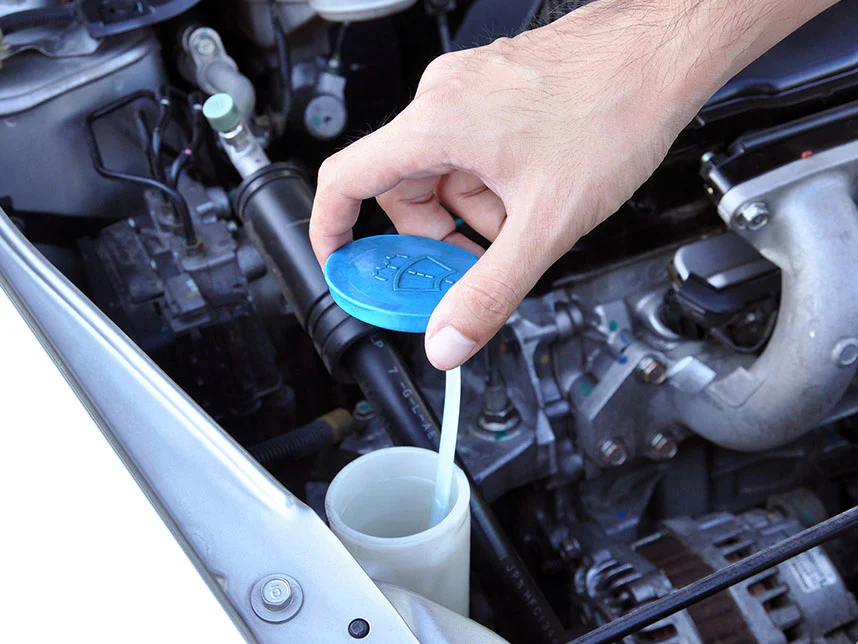
Windshield Washer Fluid
This fluid helps keep the windshield clean for better road visibility.
How to Check Washer Fluid
- Open the washer fluid reservoir.
- Refill if the fluid level is low.
Signs You Need More Washer Fluid
- Washer spray not working properly
- Dirty windshield
- Empty reservoir
When to Check
Check regularly, especially during rainy or dusty weather.
Essential Tips for Fluid Checks
Follow these simple precautions while checking your vehicle fluids:
- Always park the car on level ground.
- Avoid overfilling any fluid reservoir.
- Use manufacturer-recommended fluids only.
- Clean dipsticks and caps before opening them.
- Check for leaks around the engine and underneath the vehicle.
- Visit a mechanic if fluid levels decrease repeatedly.
Proper fluid maintenance can improve performance, safety, and fuel economy.
Signs Your Car May Have a Fluid Leak
Fluid Spots Under the Vehicle
Puddles or stains under the car may indicate leaking oil, coolant, or brake fluid.
Smoke or Burning Smell
Leaking fluids touching hot engine components can create smoke or unusual smells.
Dashboard Warning Lights
Modern cars alert drivers when fluid levels are low or systems are malfunctioning.
Poor Vehicle Performance
Low fluids can affect engine performance, steering, transmission shifting, and braking. If you notice any of these problems, schedule a professional inspection immediately.
Conclusion
Routine car fluid checks are a simple but important part of vehicle care. Monitoring engine oil, coolant, brake fluid, transmission fluid, and other essential liquids can help prevent breakdowns and expensive repairs. A well-maintained vehicle performs better, lasts longer, and keeps you safer on the road. By making fluid checks part of your regular maintenance routine, you can enjoy a smoother and more reliable driving experience. For more vehicle maintenance tips and automotive advice, visit Auffenberg of Carbondale.
FAQs

Emila Hales
My name is Emila Hales. I've been living in the UAE for the past five years, and I absolutely love traveling. Writing about my travel experiences is something I enjoy, and I'm excited to share my adventures with others who are passionate about exploring new places.
Learn More